
By Matt Miles
Disclaimer: This information is from sources believed to be reliable and is provided as a courtesy. We are not providing legal advice and make no representation as to the accuracy of this information. Hire a good land use attorney and engineer! Always confirm city-specific administrative bulletins and checklists as local standards (e.g., design, frontage, utilities) can affect project feasibility.
Is it better for developers to build condos or townhomes? What are some of the key differences and considerations? If you are working on a scenario, it’s good to review the data and make sure your development aligns with your strategy. And as always, we’re here to help you review and talk through any questions you might have.
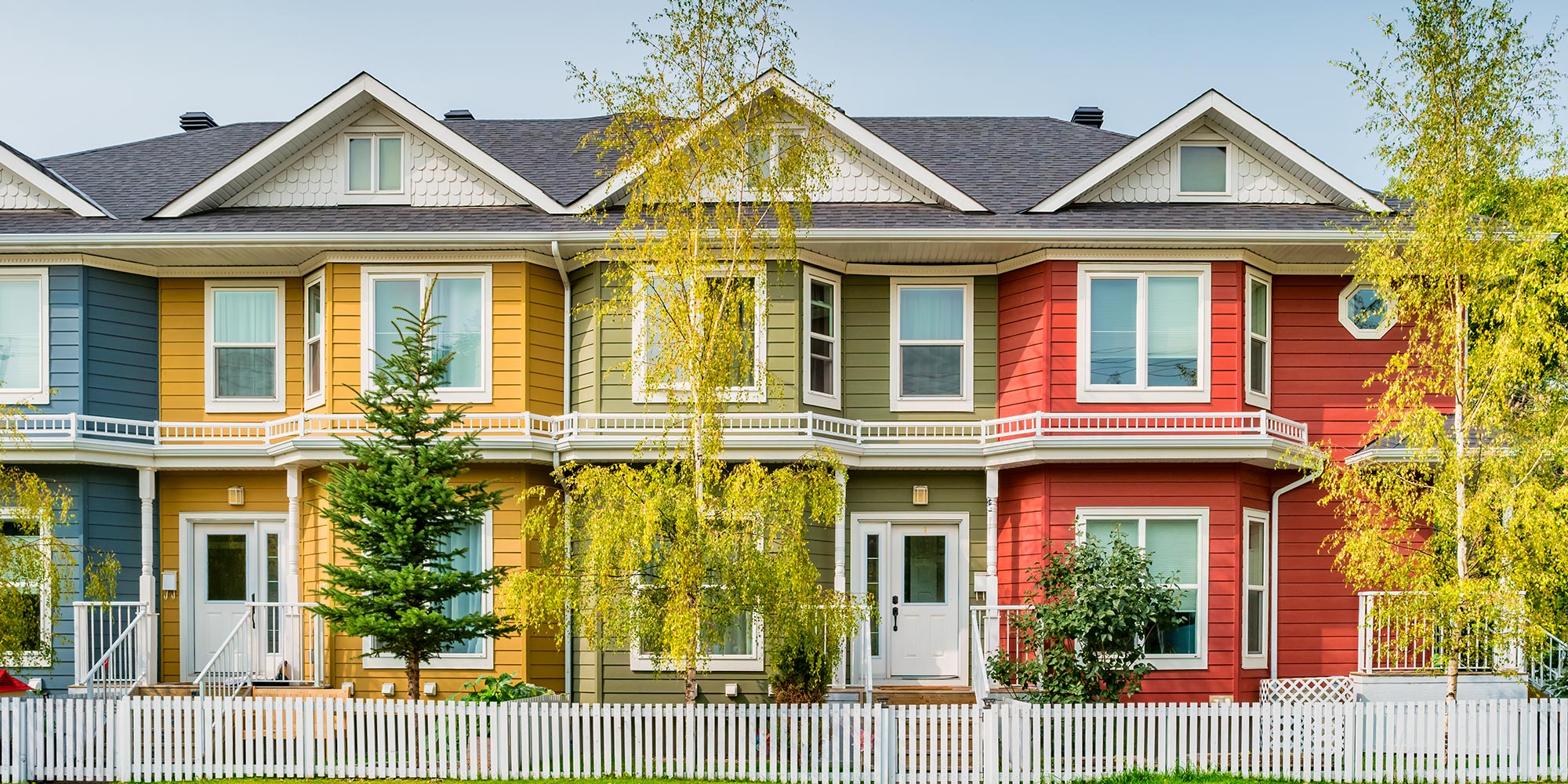
Townhomes:
Fewer typically larger units, higher absolute prices; alternative to single family homes with higher density.
Condos:
More units, potentially including smaller, lower-priced units
(studios/1BRs), to accommodate buyer demand, lot layout, local housing ordinances.
Townhomes:
Private entries, no upstairs/downstairs neighbors, direct garages and/or parking, yards and lower and/or simpler HOAs.
Condos:
May include additional amenities like elevators, fitness, shared deck or lobby area, concierge/ parcel rooms.
Townhomes:
Families; audience prefers space, private entries, and garages. Higher $ per door; premiums for privacy. Build to rent strategies.
Condos:
Broader potential audience with varied unit sizing and price points. Higher $ per square foot possible with amenities and smaller units. Not optimal for developer rental strategy. Condo prices may have more volatility in a down market.
Townhomes:
Treated more like single family; multiple buildings increase phasing, loan size and cash to close options. More options with end user mortgage lenders, more options to keep as rental (build to rent).
Condos:
Typically fewer loan structuring options. Possible lower leverage. Less option to keep as rentals if plans change.
Townhomes:
Typically lower unit count. Possibly lower square footage due to individual driveways, entrances- no stacking but multistory.
Condos:
Typically higher unit count and square footage due to shared entry, parking, potential stacking to maximize square footage and floor area ratio.
Townhomes:
Typically higher—duplicated
foundations/envelopes, fewer shared walls.
Condos:
Typically lower—shared foundations, exterior walls, roofs, stairs/elevator, parking.
Townhomes:
Multiple smaller buildings; can be more suited to phasing.
Condos:
Fewer buildings; grouping of approvals, inspections.
Townhomes:
Typically fee-simple subdivision.
Condos:
Condo tract, higher density.
Townhomes:
Often simpler governance and HOA (maintenance only); lower dues.
Condos:
More complex HOA; reserves ≥10% recommended for agency mortgages; amenity funding.
Townhomes:
Less shared system and common area exposure.
Condos:
More shared systems; potential higher visibility/exposure for any defects.

Developers should select the pathway that is the best fit based on their view of:
At Flipside Lending, we’re here to help developers navigate the nuances of project economics and finance deals that make the most sense for your strategy.
Have questions about which type of financing is right for your deal? Let’s talk.
You can reach me at mmiles@flipsideloans.com to learn more.